 English
 Spanish
 French
 Italian
 German

AUGUST 1, 2025
Patient-reported outcomes of glucagon-like peptide-1 agonists on hidradenitis suppurativa severity
Summary Verified By: Victoria Fang, M.D. Ph.D. | Penn Medicine
August 1, 2025
This plain-language research summary was generated by AI, courtesy of HS Simplified.
Patient-reported outcomes of glucagon-like peptide-1 agonists on hidradenitis suppurativa severity
In this study, researchers explore how GLP-1 receptor agonists, drugs approved for diabetes and weight loss, impact patients with hidradenitis suppurativa (HS)—a chronic skin condition with painful lesions often linked to obesity. Among the 22 surveyed patients, most reported weight loss and reduced HS symptoms, suggesting potential benefits of GLP-1-RAs for HS treatment. However, the study's small sample size and reliance on patient surveys rather than physician physical exams highlight the need for further research.
Can Diabetes and Weight Loss Medicines Help a Painful Skin Disease?
Hidradenitis suppurativa (HS) is a long-lasting skin disease that causes painful bumps and sores in places like the armpits, groin, and thighs. These sores can leak pus (a thick yellowish fluid), hurt, and leave scars. Doctors think HS happens because the body's immune system gets too active around hair follicles, leading to swelling and damage. People who have extra weight or obesity may be more likely to get HS, and losing weight may make the disease better.
Some medicines called GLP-1 receptor agonists (GLP-1-RAs) are approved to help people lose weight or treat diabetes. Examples include semaglutide and tirzepatide. In a few small reports, these medicines seemed to help people with HS, but no one knew for sure how well they worked for this skin problem.
What Did The Experimenters Do?
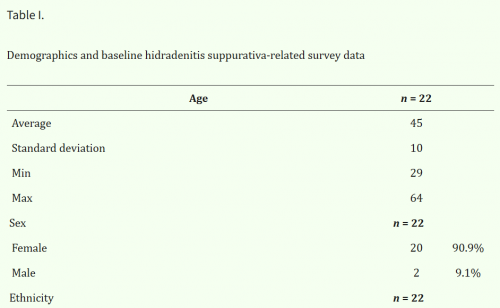
Radhika Gupta, Dr. Fang, and Dr. Micheletti wanted to find out if taking GLP-1-RA medicines helped people with HS feel better. They found adults with HS who were taking these medicines and sent them an online survey with questions about their symptoms, weight, and daily life. Out of 128 people contacted, 22 people answered all the questions and fit the requirements for the study.
What Did They Find?
Most of the people in the study were women (about 91%) and Black (about 55%), with an average age of 45. Almost all were overweight or had obesity. Most had active HS, and many had recent outbreaks or even been in the hospital because of HS. Some women noticed their skin got worse around their periods.
The people in the study took GLP-1-RA medicines for an average of 17 months. Most took the medicine for weight loss or diabetes, not for HS. About 77% lost weight (on average, 31 pounds). Over two-thirds (68%) said their HS got better, and none said it got worse. Many noticed fewer flares (times when their skin got much worse), fewer new bumps, less pain, drainage, and itch. More than half said HS didn’t bother their daily life as much.
Side effects from the medicines were mostly mild and included upset stomach, headaches, and allergic reactions. About 59% of people said they would tell others with HS to try GLP-1-RAs.
What Does This Mean, and What Are the Limits?
This study suggests that GLP-1-RA medicines might help people with HS, especially since many people with HS are also overweight or have diabetes. These medicines could be a helpful extra treatment. But there are important limits to this study. It was small—only 22 people—and not everyone answered the survey. Doctors did not check the patients in person, so all answers came from what patients remembered and reported themselves, which can sometimes be inaccurate. Also, the study did not compare GLP-1-RA users to people not taking these medicines.
To know for sure if these medicines really help, Radhika Gupta and her team say that bigger, better studies (called randomized controlled trials) are needed, where both doctors and patients report what happens.
Author(s)
Radhika Gupta, Laura Cesar, Robert Micheletti, Victoria Fang
Read Original Paper
https://www.jaadinternational.org/article/S2666-3287(25)00042-2/fulltext