 English
 Spanish
 French
 Italian
 German

RESEARCH SUMMARIES
New to research articles? The HSF offers plain language summaries of the latest HS research, written and reviewed by volunteer scientists and clinicians. These simplified versions make cutting-edge findings more accessible to patients, families, and advocates.
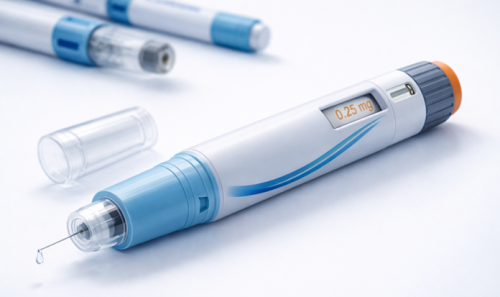
Do GLP-1 medications help signs and symptoms of Hidradenitis Suppurativa?
Could a medication commonly used for type 2 diabetes and weight loss also help improve hidradenitis suppurativa? New research explores the potential impact of GLP-1 receptor agonists on HS signs, symptoms, and quality of life. Click to learn what researchers found and what it could mean for people living with HS.
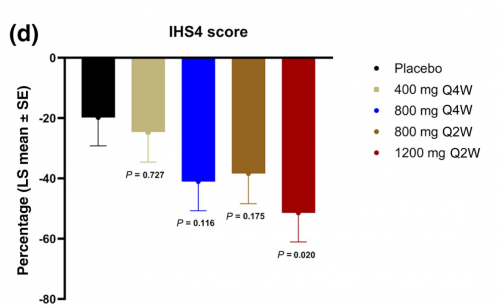
Vilobelimab May Improve Clinical Outcomes of HS Patients by Reducing Skin Tunnels
Summary Verified By: Christopher Sayed, M.D. | UNC School of Medicine
This study explored the use of vilobelimab, a monoclonal antibody that blocks complement C5a, in treating hidradenitis suppurativa (HS), a chronic skin condition causing painful nodules and abscesses. Although it didn't significantly outperform placebo on overall improvement, high-dose vilobelimab notably reduced skin tunnels. These results suggest further investigation into vilobelimab's potential for managing HS is warranted.

Making Surgery Results Clearer for HS
Summary Verified By: Christopher Sayed, M.D. | UNC School of Medicine
In 2025, experts established a standardized set of definitions for surgical outcomes following procedures for hidradenitis suppurativa (HS), a chronic skin condition causing painful abscesses. The Delphi consensus method was used to reach agreement on terms like "persistence" and "progression" to better categorize and track patient outcomes. This is a pivotal step towards unifying how surgical results are reported, allowing for better comparison across studies and potentially improving patient care for those with HS.

How Plastics in Food May Make HS Worse
Summary Verified By: Luis Garza, M.D. Ph.D. | Johns Hopkins
A recent study, published in 2025, reveals how chemicals found in plastics, known as endocrine disruptors (p-EDs), may contribute to the skin disease hidradenitis suppurativa (HS) by reducing a protein called Nicastrin, crucial for skin health. Endocrine disruptors are substances that can interfere with hormone systems, potentially causing inflammation akin to the genetic form of HS. This highlights the potential importance of environmental factors in managing and understanding the disease.

Can Quitting Smoking Lower the Risk of Hidradenitis Suppurativa?
A new study of more than 6 million people shows that quitting smoking can cut the risk of hidradenitis suppurativa by about one-third—but the benefits appear only after staying smoke-free for at least three years. Relapsing, however, brings the risk right back up.

The P2X7-NLRP3 inflammasome inhibitor AZD9056 on HS: Results of a phase 2 trial
Summary Verified By: Kavita Sarin, M.D. Ph.D. | Stanford University
In a 2025 study examining the autoimmune skin condition hidradenitis suppurativa (HS), researchers tested the effectiveness of AZD9056, a drug targeting the P2X7 receptor—a protein that plays a role in inflammatory processes. In this small study, AZD9056 did not significantly affect disease severity, indicating the potential for alternate pathways or treatments to target HS more effectively. However, it may restore immune response to certain triggers.
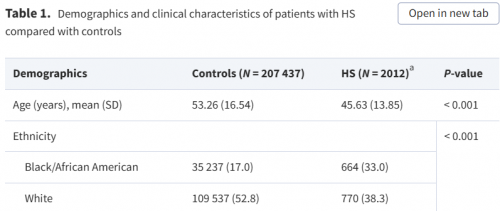
The prevalence of endometriosis in adult female patients with HS: a cross-sectional study using the All of Us Research Program
Summary Verified By: Anna Eisenstein, M.D. Ph.D. | Yale School of Medicine
A 2025 study explores a potential link between hidradenitis suppurativa (HS), a chronic skin condition causing painful lumps, and endometriosis, characterized by endometrial tissue growing outside the uterus and causing pain. Using a large dataset, researchers found that women with HS had a 1.67 times higher chance of also having endometriosis, highlighting the need for further research on shared inflammatory pathways.
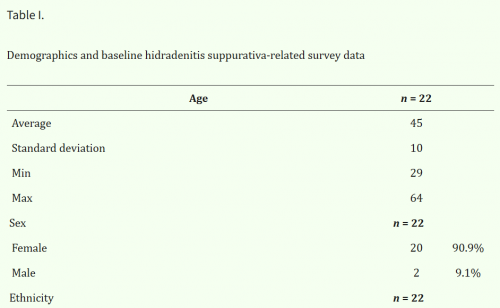
Patient-reported outcomes of glucagon-like peptide-1 agonists on hidradenitis suppurativa severity
Summary Verified By: Victoria Fang, M.D. Ph.D. | Penn Medicine
In this study, researchers explore how GLP-1 receptor agonists, drugs approved for diabetes and weight loss, impact patients with hidradenitis suppurativa (HS)—a chronic skin condition with painful lesions often linked to obesity. Among the 22 surveyed patients, most reported weight loss and reduced HS symptoms, suggesting potential benefits of GLP-1-RAs for HS treatment. However, the study's small sample size and reliance on patient surveys rather than physician physical exams highlight the need for further research.

Therapeutic drug monitoring in hidradenitis suppurativa patients on adalimumab: A retrospective cohort
Summary Verified By: Afsaneh Alavi, M.D. | Mayo Clinic
In this 2025 study, therapeutic drug monitoring (TDM)—assessing serum drug levels and antibodies—revealed insights into treating hidradenitis suppurativa (HS) with adalimumab. Notably, responders showed higher drug concentrations, while suboptimal responders had detectable anti-adalimumab antibodies, impacting efficacy. This highlights TDM's potential in personalized HS management despite existing barriers like cost and interpretation challenges.
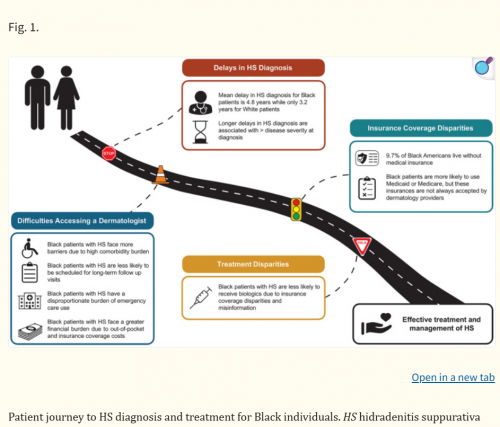
Exploring the Experience of Black Americans Living with HS in the United States Healthcare System: A Narrative Review
Summary Verified By: Julia Riley, M.D. | Northwestern Feinberg School of Medicine
In 2025, a review highlights the challenges Black Americans face with hidradenitis suppurativa (HS), a chronic inflammatory skin disease causing painful lumps and tunnels. Even though HS is more common in Black patients than other races, Black patients often encounter delays in diagnosis and treatment, exacerbating health disparities due to systemic healthcare barriers. By addressing these challenges, through strategies like improving access to care and including more Black patients in clinical trials, healthcare equity can be enhanced.
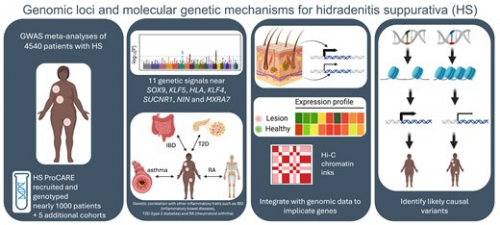
Genetic Signals Linked to HS
Summary Verified By: Christopher Sayed, M.D. | UNC School of Medicine
In this 2025 study, researchers investigated the genetics of Hidradenitis Suppurativa (HS), a chronic skin disease causing painful lumps and tunnels in skin folds, linked to genes affecting inflammation and skin cell growth. Utilizing genome-wide association studies (GWAS), they identified 11 key genetic signals, shedding light on HS's genetic foundation and its links to conditions like inflammatory bowel disease. This research enhances our understanding of HS and highlights potential pathways for targeted therapies.

Sexual and gender minority inclusivity in hidradenitis suppurativa patient-reported outcomes
Summary Verified By: Leandra Barnes, M.D. | Stanford Medicine
In 2025, researchers highlighted the need for patient-reported outcome measures (PROMs) to better address the needs of sexual and gender minority (SGM) individuals with hidradenitis suppurativa (HS), a chronic skin condition often affecting sensitive areas. PROMs, tools used to assess patients' perspectives on their health-related quality of life, were analyzed for inclusivity, with findings suggesting improvements could enhance both research and clinical care for SGM communities.
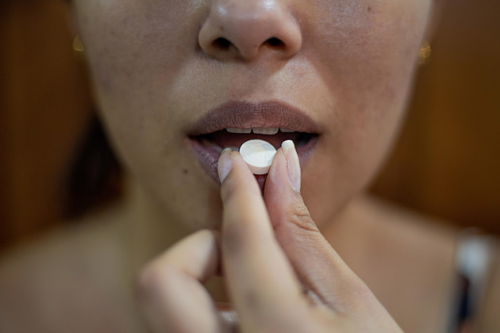
Spironolactone for Hidradenitis Suppurativa: A Game-Changer for Women of Childbearing Age?
Could spironolactone be a game-changer for women with early-stage HS? A recent study found that while only 1 in 5 women of childbearing age saw improvement with the hormone-blocking drug, those with milder disease and earlier treatment were far more likely to benefit. This research offers valuable insight into tailoring HS treatment for patients most likely to respond.

Deroofing – Safe and Effective for HS Patients
A new study highlights the safety and effectiveness of deroofing—a surgical treatment for hidradenitis suppurativa. Among 44 patients, only 12% of lesions returned within a year, and most reported less pain and better quality of life. While further research is needed, these results suggest deroofing may be a valuable option, even alongside systemic therapies.

Association between hidradenitis suppurativa and obstructive sleep apnea: A retrospective cohort study using the TriNetX dataset
Summary Verified By: Alexandra Charrow, M.D. | Mass General Brigham
A 2024 study highlights a significant link between hidradenitis suppurativa (HS)—a chronic skin inflammation—and obstructive sleep apnea (OSA), a condition where relaxed throat muscles cause interrupted breathing during sleep. Utilizing a vast health record database, researchers found HS patients have a notably higher risk of OSA. As both conditions involve systemic inflammation, this research encourages rethinking OSA screening in HS patients, aiming to mitigate the potential health impacts of undiagnosed sleep apnea.
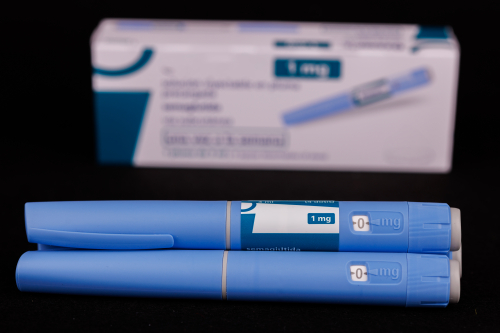
Semaglutide for diabetes, weight loss, and… Hidradenitis Suppurativa?
Could a popular weight loss and diabetes drug also help treat hidradenitis suppurativa? See what researchers discovered about semaglutide’s surprising potential.

Managing Hidradenitis Suppurativa with Biologics and Small Molecule Inhibitors
Summary Verified By: Victoria Fang, M.D. Ph.D. | Penn Medicine
In the battle against moderate to severe HS, biologics—large complex proteins like antibodies targeting specific immune pathways—and small molecule inhibitors—smaller, chemically synthesized drugs like Janus kinase (JAK) inhibitors—offer promising relief by tackling inflammation at its roots. As of 2025, FDA-approved therapies include adalimumab and secukinumab, achieving significant disease reduction in many patients. Bimekizumab was another biologic approved in 2025, after the publication of this article. However, effective management often requires personalized treatment strategies including medication adjustments and possible surgical interventions.
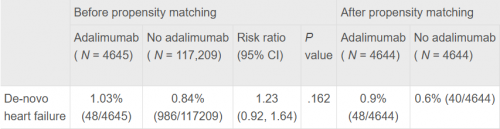
No association between adalimumab use and heart failure in patients with hidradenitis suppurativa: A propensity matched study
Summary Verified By: Sherry Yang, M.D. | Jefferson Health
In a 2025 study, researchers investigated the link between adalimumab, a medication for hidradenitis suppurativa (a chronic skin condition), and heart failure risk. Despite concerns, adalimumab didn't significantly impact new or worsening heart failure in patients compared to controls. This study suggests that adalimumab does not exacerbate heart issues related to tumor necrosis factor inhibitors (medications that block a specific protein involved in inflammation) in these patients.

Long-term efficacy & safety of secukinumab in moderate-to-severe HS: wk 104 results from the SUNSHINE & SUNRISE extension trial
Summary Verified By: Afsaneh Alavi, M.D. | Mayo Clinic
In a 2025 study published in the British Journal of Dermatology, researchers examined the long-term use of secukinumab in treating hidradenitis suppurativa (HS), a chronic skin condition causing painful boils. Despite not meeting the primary endpoint of time to loss of response (LOR) compared to placebo, many patients retained clinical benefits, and safety was consistent with known profiles. These findings suggest secukinumab as a viable, safe long-term treatment for moderate-to-severe HS.

Barriers to Health Care Access for People with Hidradenitis Suppurativa
Summary Verified By: Leandra Barnes, M.D. | Stanford Medicine
Hidradenitis Suppurativa (HS) is a chronic skin disease causing painful boils that affects about 1% of the U.S. population, notably among women and Black Americans. Patients often face a 7-10 year delay for diagnosis due to structural and social barriers, compounded by healthcare providers' limited understanding of HS biology, leading to mistrust and complicating access to treatment. Efforts are ongoing to enhance provider knowledge, treatment access, and patient support to improve care quality for HS individuals.

Links Between Plastics Use, Processed Food, Sweating, and Hidradenitis Suppurativa
Could everyday habits like diet, plastic use, and sweating play a role in HS? This study uncovers intriguing connections that may shape our understanding of the condition.

Does HS Make Excess Skin Removal Surgery Riskier?
Summary Verified By: Hal Flowers, MD, FAAD | University of Virginia
A study from 2025 revealed that patients with hidradenitis suppurativa (HS), a chronic inflammatory skin condition causing painful lumps in areas where skin rubs together, aren't at higher risk for complications during body contouring surgery. While some postoperative HS flares were noted, their link to surgery remains unclear. The findings suggest HS shouldn't be a barrier to considering such procedures after major weight loss.

Hidradenitis Suppurativa and Maternal and Offspring Outcomes
How does Hidradenitis Suppurativa during pregnancy impact the health of mothers and their newborns both immediately and long-term?
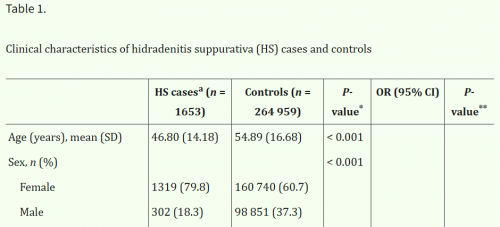
The association of HS with cigarette smoking and cannabis use: a cross-sectional study in the All of Us Research Program
Summary Verified By: Anna Eisenstein, M.D. Ph.D. | Yale School of Medicine
In a study from 2024, researchers explored the link between hidradenitis suppurativa (HS)—a chronic inflammatory skin condition causing painful lumps and tunnels—and the use of cigarettes and cannabis. HS was significantly associated with both smoking and cannabis use; however, the role of cannabis, often used for pain, remains unclear. Further research into these substances may provide insights into managing HS, where reducing cigarette smoking already shows benefits.

Smoking Cessation and Hidradenitis Suppurativa: Advances and Treatment Gaps
Summary Verified By: Alexandra Charrow, M.D. | Mass General Brigham
A 2024 study reveals smokers are more likely to develop hidradenitis suppurativa (HS), a painful skin condition, but quitting could reduce this risk. Despite a strong link, the exact cause remains unclear, highlighting the need for further research into smoking cessation as a preventive measure.

Patient-Reported Triggers for HS
Summary Verified By: Christopher Sayed, M.D. | UNC School of Medicine
Hidradenitis suppurativa (HS) is a painful skin condition leading to nodules, abscesses, and tunnels predominantly in areas where skin rubs together. A 2024 study revealed that common patient-reported triggers include sweating, emotional stress, and hormonal changes, particularly in women during menstrual cycles. Addressing these exacerbating factors could enhance HS management by helping patients avoid known triggers and potentially alleviate symptoms.
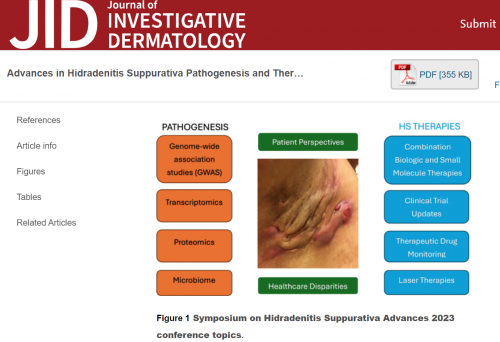
Advances in HS Pathogenesis and Therapies from SHSA 2023 Published in the Journal of Investigative Dermatology
SHSA 2023 Findings Published in JID

Efficacy and Safety of Bimekizumab in Patients with Moderate-to-Severe HS (BE HEARD I and BE HEARD II Phase 3 Trials)
Summary Verified By: Alexa Kimball, MD, MPH | Harvard Medical Faculty Physicians at Beth Israel Deaconess Medical Center
This study tested bimekizumab, a newer injectable medication that blocks two inflammatory signals, IL-17A and IL-17F. Many people treated with bimekizumab had rapid and lasting improvements, with benefits continuing for up to one year. Side effects were manageable and consistent with what is known about similar immune-targeting drugs.

Treatment of Patients with Down Syndrome and HS
Summary Verified By: Hal Flowers, MD, FAAD | University of Virginia
Individuals with Down syndrome (DS) are more likely to develop hidradenitis suppurativa (HS), a painful skin condition that involves blocked hair follicles. A 2024 study highlights that DS patients with HS may be undertreated due to concerns about medication side effects like those from biologics, which are drugs affecting the immune system. This underscores the need for tailored treatment approaches considering the challenges in this unique population.

Positive correlation of hidradenitis suppurativa and ultra-processed foods consumption
Summary Verified By: Luis Garza, M.D. Ph.D. | Johns Hopkins
A 2024 study reveals a potential link between hidradenitis suppurativa (HS), a chronic skin condition, and consumption of ultra-processed foods (UPFs), rather than obesity alone. UPFs, foods with high levels of additives and preservatives, seem to correlate with increased HS prevalence, suggesting that limiting these foods could improve HS symptoms. Further research addressing dietary habits could be beneficial for those affected by this condition.
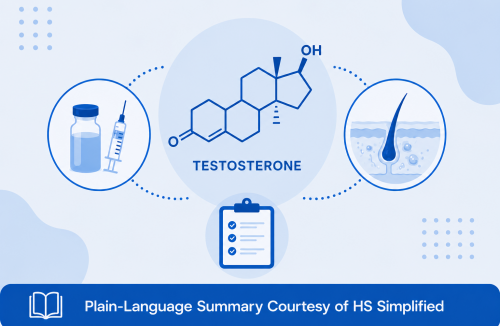
Lack of association of exogenous testosterone administration with exacerbation of preexisting hidradenitis suppurativa
Summary Verified By: Alexandra Charrow, M.D. | Mass General Brigham
In a study conducted between 2016 and 2022, researchers investigated whether exogenous testosterone (ET) could worsen preexisting hidradenitis suppurativa (HS), finding no significant link. Patients without prior exacerbations before ET therapy generally remained stable. This suggests the need for further research to understand how androgens contribute to HS and how antiandrogen medications work.

Benefits of the Mediterranean Diet and Physical Activity in HS
Can Diet and Physical Activity Improve Your HS?

Surgical management of seasonal flares in hidradenitis suppurativa
Summary Verified By: Harib Ezaldein, MD, FAAD, FACMS | Miami Dermatology & Mohs Surgery
In 2024, researchers highlighted the seasonal spikes in emergency visits for hidradenitis suppurativa (HS), a chronic skin condition leading to painful, inflamed lumps. They advocate for integrating surgical options, traditionally reserved for severe cases, with medication and lifestyle adjustments to manage these flares effectively. This approach aims to provide quicker relief and potentially reduce disease progression and recurrence.
Clascoterone in the treatment of mild hidradenitis suppurativa
Summary Verified By: Hadar Lev-Tov, M.D. | University of Miami Miller School of Medicine
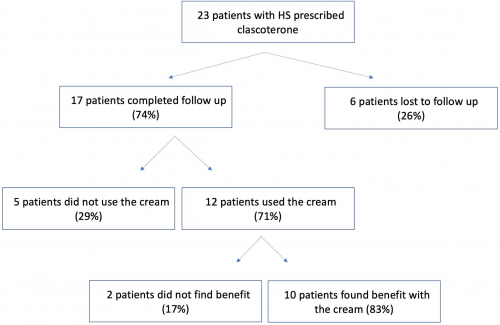
In a 2024 study detailed in Scientific American, researchers explored the potential of clascoterone cream, traditionally used for acne, as a treatment for mild hidradenitis suppurativa (HS)—a chronic inflammatory skin disease characterized by painful nodules. Utilizing data from 12 patients, the study found that 83% reported improvements without significant side effects, highlighting clascoterone's promise as a well-tolerated option targeting the hormonal aspect of HS. The findings suggest a promising addition to limited treatment options, although larger, controlled studies are needed for validation.

No‐shows to hidradenitis suppurativa clinic visits: Patient perspectives
Summary Verified By: Natalie Fragoso, M.D. | Dartmouth Health
In 2023, a study explored why patients with hidradenitis suppurativa (HS)—a chronic inflammatory skin condition—missed doctor visits. Key reasons included HS flares, negative medical experiences in the past, and embarrassment from their skin condition. Improved patient-doctor communication and flexible visits like telehealth were suggested to reduce these missed visits, enhancing care delivery.

Barriers to Accessing Care for HS
Patient interviews highlight challenges in accessing HS care
Genetic Variants Associated with Hidradenitis Suppurativa
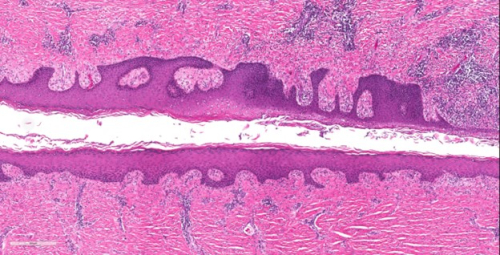
Two genes identified as likely associates with HS

Assessing the Impact of HS on Work Productivity
Study demonstrates decrease in work productivity due to HS

What is Pain Really Like for People with HS
Initial HS lesions present with itch, but can progress to pain.

Average Time Patients Stay on Biologic Treatment
Study Shows Treatment of HS is Challenging


Birth Control and HS
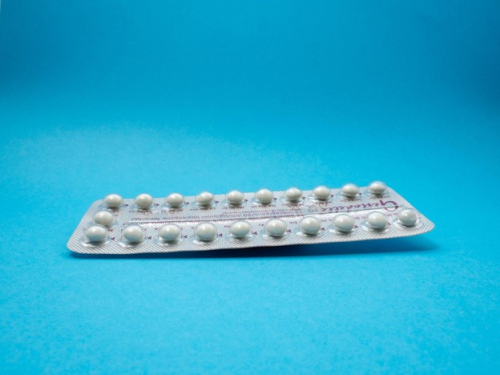
Small study shows birth control pills may be useful in the treatment of HS

Patient Perspectives of Health System Barriers to Accessing Care for Hidradenitis Suppurativa
Summary Verified By: Leandra Barnes, M.D. | Stanford Medicine
Hidradenitis suppurativa (HS), a painful, chronic skin condition, faces an alarming average diagnostic delay of 7 to 10 years in the US. A 2023 study highlights barriers such as employment-linked health insurance and costs that hinder access to care, often exacerbating disease activity. Understanding and addressing these hurdles can improve patient-centered care and maximize health outcomes.

Benefits of Finasteride in Women with HS
Can finasteride help control hidradenitis suppurativa in women?
Secukinumab in Moderate-to-Severe HS Patients (SUNSHINE and SUNRISE Phase 3 Trials)
Summary Verified By: Alexa Kimball, MD, MPH | Harvard Medical Faculty Physicians at Beth Israel Deaconess Medical Center
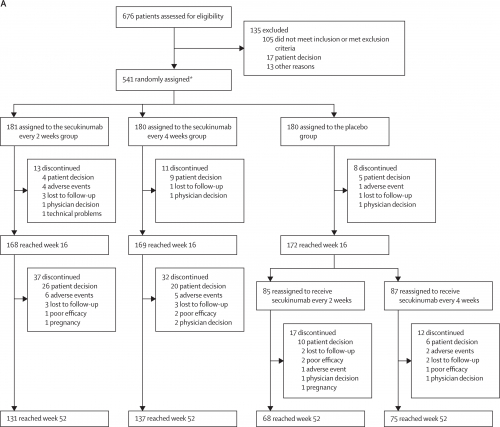
This study tested secukinumab, a medication that blocks the inflammatory signal IL-17A. People receiving secukinumab every two weeks were more likely to improve than those on placebo, with benefits lasting up to one year. The medication was generally well tolerated with no unexpected safety issues.
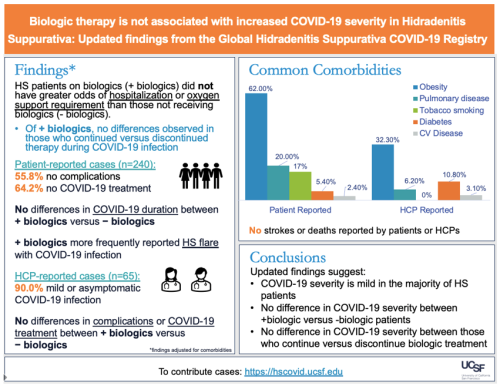
Biologic Therapy Not Associated with COVID-19 Severity
Biologic Therapy Not Linked to COVID-19 Severity in People With HS

Adalimumab (Humira) in combination with surgery is safe and effective to treat hidradenitis suppurativa.
This study explored whether it was safe for patients to undergo skin surgery while on adalimumab.
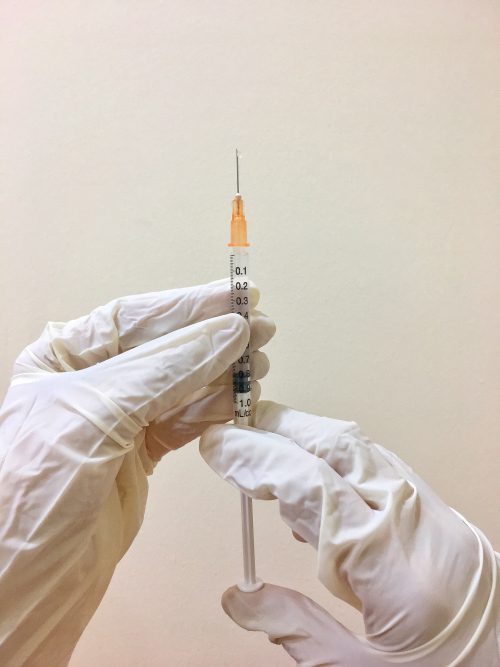
A new treatment option for tunnels in HS
An Open-Label, Prospective, Pilot Study of Hypertonic Saline for Hidradenitis Suppurativa.

MOdified DEroofing With Scar Excision (MODES Procedure) for the Surgical Treatment of Hidradenitis Suppurativa
Summary Verified By: So Yeon Paek, M.D. | Meridien Dermatology
In 2022, a new surgical technique called the MODES procedure, which stands for "Modified Deroofing with Scar Excision," was published to treat Hidradenitis Suppurativa (HS), a chronic skin condition marked by painful, inflamed lesions. By identifying and removing scar tissue from sinus tracts—under-skin channels—the procedure aims to improve recovery outcomes and reduce recurrence rates. This approach may offer an advanced solution for dermatologists managing this stubborn and often recurrent disease.

View the latest research summary from the HS Foundation
A number of medical conditions are associated with HS - what are they?

Factors that affect delayed HS diagnosis in children and teenagers
What happens if hidradenitis suppurativa (HS) diagnosis is delayed in children?

HS surgeries associated with high satisfaction, brief recovery and tolerable pain
Considering surgery for treating hidradenitis suppurativa (HS) can feel intimidating, especially because it can be hard to know what to expect.

Negative Impacts of Hidradenitis Suppurativa in Pregnant Women
Women with HS were more likely to have health problems before pregnancy compared to women without HS.

A Deep Look at the Bacteria Living in Patients with HS
This research study explored the differences in the microbiome between unaffected individuals and those with HS by obtaining bacterial swabs from the skin, inside the nose, and stool from both groups.
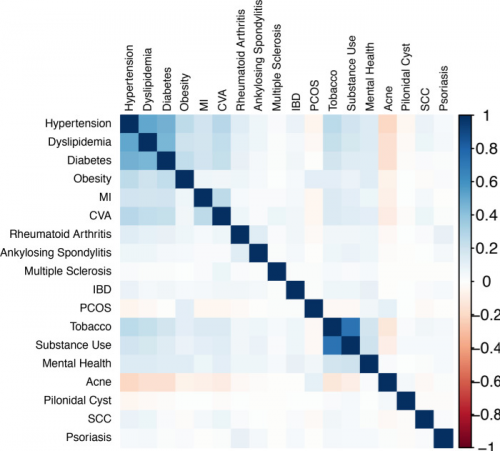
Characterization of comorbidity heterogeneity among 13,667 patients with hidradenitis suppurativa
Summary Verified By: Kavita Sarin, M.D. Ph.D. | Stanford University
In this 2021 article, researchers investigate hidradenitis suppurativa (HS), a chronic inflammatory skin disease marked by painful lump formations under the skin, exploring its link to various associated health conditions. They analyze data from 13,000 HS patients to understand how these comorbidities vary across race and sex, identifying significant patterns that could help target early interventions for those at greatest risk.

Can Hidradenitis Suppurativa Affect Pregnancy?
Research on how HS affects pregnancy is limited, which is what led researchers at Penn State College of Medicine to perform a study that compared pregnancy outcomes in patients with and without HS.

Serum cytokine levels in patients with hidradenitis suppurativa vary with race
Summary Verified By: Andrea Murina, M.D. | Tulane University
A 2020 study explores how serum cytokine levels, proteins involved in immune responses, vary by race in patients with Hidradenitis Suppurativa (HS), a chronic skin condition causing painful nodules and abscesses. Researchers found that African American patients had different levels of certain cytokines compared to other races, highlighting potential racial differences in disease mechanisms. This insight emphasizes the need for diverse participant inclusion in HS research to tailor treatments effectively.

How should Pregnant and Nursing Mothers manage Hidradenitis Suppurativa?
With a growing need to properly manage HS in pregnant and nursing mothers, here we discuss the article “Management of Hidradenitis Suppurativa in Pregnancy” published in 2017 that provides the most up-to-date information.

How clear is the link between Hidradenitis Suppurativa and Inflammatory Bowel Disease?
Some research studies showed the HS and IBD are more likely to happen together, but two other studies did not show a link between them. The goal of this study was to combine all of the best studies and try to clear up whether there is a link between HS and IBD.

How are Emergency Departments treating pain in Hidradenitis Suppurativa?
For many patients with Hidradenitis Suppurativa (HS), pain is a problem that can lead to visits to the Emergency Department (ED).

Are people willing to use teledermatology for Hidradenitis Suppurativa care?
In new, yet unpublished data from a project by Joslyn Kirby, Ashley Eichelberger, Melissa Butt, Colleen Silva, and Aretha Mosley of Penn State Hershey School of Medicine, patients shared their thoughts and experience about long-distance dermatology visits.

Is COVID more risky for people treated for an immune disease?
In a study led by Dr. Rebecca Haberman of New York University, a group of doctors studied whether people being treated for immune diseases had more severe COVID.

What is the right dose of infliximab for Hidradenitis Suppurativa?
Infliximab is an intravenous (IV) medication that can help Hidradenitis Suppurativa (HS). The dose and timing of infliximab vary. The authors determined which dose was the best when starting treatment for HS.

Anything new out there to help treat my HS?
In recent years, research has led to a deeper understanding of immune imbalances that may lead hidradenitis suppurativa (HS).

A new way to measure the extent of patients’ hidradenitis suppurativa
This study was done by researchers in the U.S.A. to find how well clinicians could measure HS using a different approach.

New drug shows promise for Hidradenitis Suppurativa treatment
An early study for bermekimab shows improvement in Hidradenitis Suppurativa (HS) activity and pain scores while demonstrating safety.

A study into the risk of serious infections in people with hidradenitis suppurativa
This study's aim was to determine if associations between HS and various serious infections exist, using the National Inpatient Sample, a USA database of inpatient hospitalizations, between the years 2002 and 2012. The study also looked into the cost of care and length of stay of HS patients with serious infections.

Pain perception and depression in patients with hidradenitis suppurativa
HS causes pain, but few studies have looked at this aspect. The authors aimed to study pain in patients with HS.

A review of use of the word ‘flare’ in hidradenitis suppurativa studies
HS lesions can come-and-go or last for months or years. HS can have times where it is worse than usual. These have been called ‘flares’. To measure flares in future studies, a definition for a flare is needed. This study was done to find out how flares were defined in past studies.

Most Hidradenitis Suppurativa patients improve with infliximab, if the dose is high enough
Some Hidradenitis Suppurativa patients improve when they receive infliximab, but we don’t know the proper dose of infliximab to give. This research asked whether high-dose infliximab helps Hidradenitis Suppurativa patients.
Inter-rater reliability and agreement hidradenitis suppurativa instruments
This study aimed to find out how consistently 12 HS-experienced dermatologists would score 24 patients with HS, using nine different instruments.

Investigation of the skin microbiome
Researchers from Sweden, Ireland and the UK looked at the difference between the results of swabs and actual biopsies (tissue samples) of the skin.

Association between HS and hospitalization for psychiatric disorders
The researchers of this study are based in U.S.A. and aimed to find out if hidradenitis is linked with higher likelihood and costs of mental health disorders.

Inter- and intrarater reliability of Hurley staging
This study, which was an international co-operation between departments in Germany, Denmark and Poland, was designed to check the agreement between different dermatologists, including those in training, on their rating of the stage of HS in 5 different patients on two separate occasions.

Impact of HS on work loss, indirect costs and income
This study aimed to find out how the work life of people with HS was impacted compared to similar people without HS.

Pyrin mutations in complex hidradenitis suppurativa
This study, performed by researchers from Turkey and Germany, looked at the role of a gene called MEFV gene in HS, using a group of 119 people with the disease.

What’s the risk of lymphoma in people with HS?
This study was done to look at whether the inflammation from HS might increase the chance that someone’s immune system could go off the rails and cause lymphoma.

Cost-savings in hidradenitis suppurativa
This study, undertaken at the ATTIKON University Hospital of Athens, Greece, suggests adalimumab could be a cost-effective and efficient treatment for HS.

BAD guidelines for the management of HS (acne inversa) 2018
The British Association of Dermatologists commissioned a HS guideline development group composed of information specialists, a HS patient and carer, and UK clinicians including dermatologists, a dermatology nurse, plastic surgeon and general practitioner (GP). The group, based in the UK, were asked to produce treatment recommendations based on a systematic review of the evidence.

Does Hidradenitis Suppurativa cause skin cancer?
Longstanding Hidradenitis Suppurativa (HS) can be associated with other complications, such as intestinal problems and skin cancer.
Patients with self-reported HS in a cohort of Danish blood donors
The unique nature of HS makes it possible to diagnose the disease using questionnaires.

Illness perceptions and health outcomes in HS
In this study from a specialised HS clinic in a large UK hospital, dermatologists collaborated with psychologists to establish for the first time, the relationships between illness perceptions and health outcomes.

Complement in hidradenitis suppurativa
This is a study on the pathogenesis (causes) of hidradenitis suppurativa (HS).

Imbalanced Th17/Treg axis in hidradenitis suppurativa
The aim of this study from the German Universities of Osnabrück and Munich was to clarify whether obesity and smoking promote the Th17/Treg imbalance.
Hidradenitis suppurativa treated with secukinumab
Medications targeting small proteins called cytokines could provide a possible treatment approach for HS in the future.

Population-based Clinical Practice Research Datalink study using algorithm modelling to identify the true burden of hidradenitis
Our study team based in the UK aimed to use UK electronic data recorded by General Practitioners (GPs) to identify known and previously undiagnosed cases of HS.

Prevalence of hidradenitis suppurativa among patients with Down syndrome: a population-based cross-sectional analysis
In this study, we evaluated the commonness of hidradenitis suppurativa within a large group of patients who had Down syndrome, and we used another groups of patients that did not have Down syndrome to compare findings.

Incidence of hidradenitis suppurativa among tobacco smokers: a population-based retrospective analysis in the U.S.A.
Despite a common belief that tobacco smoking increases the risk of developing the disease, the evidence linking the two is controversial.

Towards global consensus on core outcomes for hidradenitis suppurativa research: an update from the HISTORIC consensus meetings
This study aimed to find out what clinical trials for HS should measure, such as symptoms (e.g. pain, itch), physical changes (e.g. skin redness or swelling), or impact on people's lives (e.g. quality of life).

Interleukin-36 in hidradenitis suppurativa
Scientists from Germany investigated whether a cytokine called interleukin-36 (IL-36) might be important in hidradenitis suppurativa (HS).

A phenotype combining hidradenitis suppurativa with Dowling–Degos disease caused by a founder mutation in PSENEN
In this present study, we showed a new genetic defect in PSENEN that can cause two diseases at once: Dowling-Degos disease and hidradenitis suppurativa.

Hidradenitis suppurativa and electrocardiographic changes: a cross-sectional population study
The aim of this study from Denmark was to investigate this possible cardiovascular burden associated with HS influence on the heart's electrical activity.

Two Phase 3 Trials of Adalimumab for HS (Pioneer I and II)
Summary Verified By: Alexa Kimball, MD, MPH | Harvard Medical Faculty Physicians at Beth Israel Deaconess Medical Center
This study tested adalimumab, an injectable anti-inflammatory medication, to see if it could reduce painful lesions in people with moderate to severe hidradenitis. People receiving weekly adalimumab were more likely to have fewer abscesses and inflammatory nodules than those receiving placebo. Serious side effects were uncommon and similar between treatment and placebo groups.
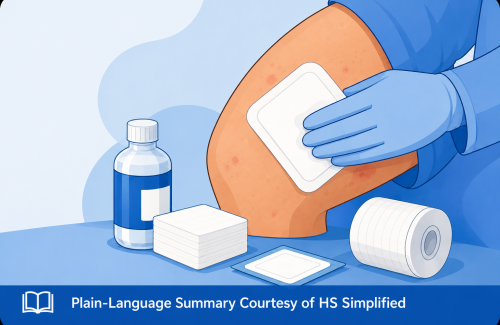
Local wound care and topical management of hidradenitis suppurativa
Summary Verified By: Afsaneh Alavi, M.D. | Mayo Clinic
In their 2015 article, Alavi and Kirsner explore the challenges and strategies in managing hidradenitis suppurativa (HS), a chronic skin condition affecting areas with sweat glands, through topical treatments and wound care. HS is characterized by painful, recurrent boils and abscesses, and its management requires careful consideration of topical antibiotics like clindamycin and keratolytic agents which help in the early stages. The article emphasizes that while wound care can improve the quality of life for sufferers, optimized treatments need further research, highlighting the disease's complex nature and the necessity for a multidisciplinary approach.
Keratinocytes and neutrophils are important sources of proinflammatory molecules in hidradenitis suppurativa
This study, from Germany, sought to identify the cellular sources of IL-17 in HS, and looked at a range of other factors that might contribute to the development of the disease, including the presence and source of other proteins that are involved in HS.

Diagnostic delay in hidradenitis suppurativa is a global problem
In this study, 517 patients with HS and 516 patients with another skin disease, psoriasis, from 24 countries were asked about the time it took to first see a doctor and then receive a diagnosis.

The Hidradenitis Suppurativa Priority Setting Partnership
According to the authors of this study, HS has been relatively neglected by society and medical research funding bodies, resulting in a lack of evidence to guide HS care. A Priority Setting Partnership (PSP) for HS was established following a model created by the James Lind Alliance which helps to bring patients, carers and clinicians together to identify and prioritise for research the treatment uncertainties which they agree are the most important.